
Repair, Protect, and Rebuild Your Smile with Restorative Dentistry in Greenwich
When a tooth is damaged, worn, infected, or missing, the right treatment can protect your health and bring back everyday comfort. At Greenwich Dental Studio, we provide restorative care that helps you chew, speak, and smile with confidence again.
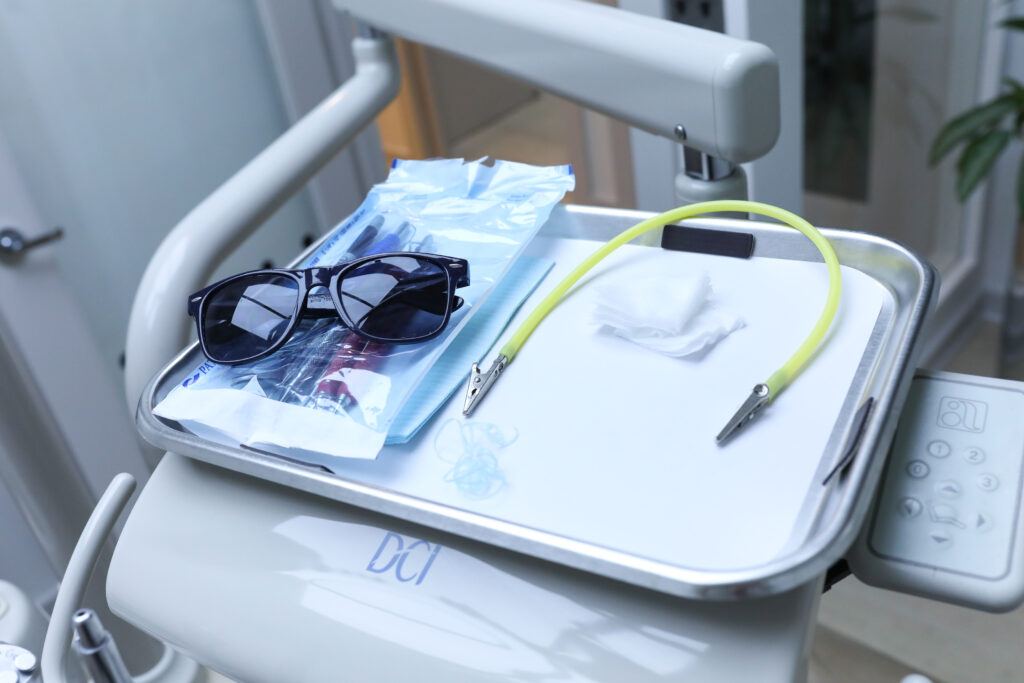

Care designed to repair damage and protect long-term health
Restorative Treatments We Offer
Our restorative and specialty care focuses on treating problems early, preserving natural teeth when possible, and creating results that feel strong, comfortable, and natural.
Cleanings, exams, and X-rays help us understand what is happening above and below the surface of your smile. During these visits, we remove plaque and tartar, check for cavities, evaluate gum health, and use digital imaging when needed to catch concerns early. This foundation matters because tooth decay can progress quietly before discomfort begins. Regular preventive visits help us protect your teeth before small issues become larger restorative problems.
01
Tooth-Colored & Amalgam Fillings
Fillings repair teeth affected by cavities or minor damage. Tooth-colored fillings blend naturally with your smile, while amalgam fillings may be used in certain cases where strength and durability are priorities. The goal is to remove decay, seal the tooth, and restore normal function before the damage spreads deeper. As part of our restorative dentistry services, fillings help preserve as much healthy tooth structure as possible.
02
Dental Crowns & Bridges
Crowns and bridges restore teeth that are weakened, broken, heavily filled, or missing. A crown covers and protects a damaged tooth, while a bridge can replace one or more missing teeth by anchoring to nearby teeth. These treatments help restore chewing strength, support your bite, and improve the appearance of your smile. Dr. Yeterian and Dr. Marwaha approach this work with both clinical precision and an eye for natural-looking results.
03
Root Canal Therapy
Root canal therapy treats infection or inflammation inside a tooth. Instead of removing the tooth, we clean the inside, remove the affected tissue, and seal it to prevent further infection. This treatment can relieve discomfort and help save a natural tooth that might otherwise need extraction. With careful planning and a gentle approach, root canal therapy is often much more comfortable than patients expect.
04
Inlays & Onlays
Inlays and onlays are custom restorations used when a tooth needs more support than a filling but does not require a full crown. They are designed to fit precisely into or over the damaged area of the tooth, restoring strength while preserving more natural structure. These restorations are especially helpful for back teeth that handle heavy chewing forces. They offer a durable, conservative option when the damage is too large for a standard filling.
05
Simple Extractions & Oral Surgery
Sometimes removing a tooth is the healthiest option, especially when it is severely damaged, infected, or creating problems for surrounding teeth. Simple extractions and minor oral surgery are handled with careful planning, clear communication, and a focus on comfort. When removal is needed, we also talk through replacement options so you understand the next step. Our goal is to make the process feel calm, safe, and well-guided.
Cleanings, Fluoride, Sealants
Who This Is For
Restorative dentistry in Greenwich is basically for patients who know something feels off but may not know which treatment they need yet. If pain, damage, wear, or missing teeth are affecting your daily life, we can help you understand your options.
Restorative care may be the right fit if…
- You have a cavity or were told you may need a filling
- You have a cracked, chipped, worn, or weakened tooth
- You feel tooth pain, pressure, or sensitivity that has not gone away
- You have an old filling or crown that feels loose or uncomfortable
- You are missing one or more teeth and want to restore chewing function
- You need help deciding between a filling, crown, inlay, onlay, or extraction
- You want care that protects your long-term oral health, not just a quick fix
- You are looking for pediatric restorative dentistry options for a child with tooth damage or decay


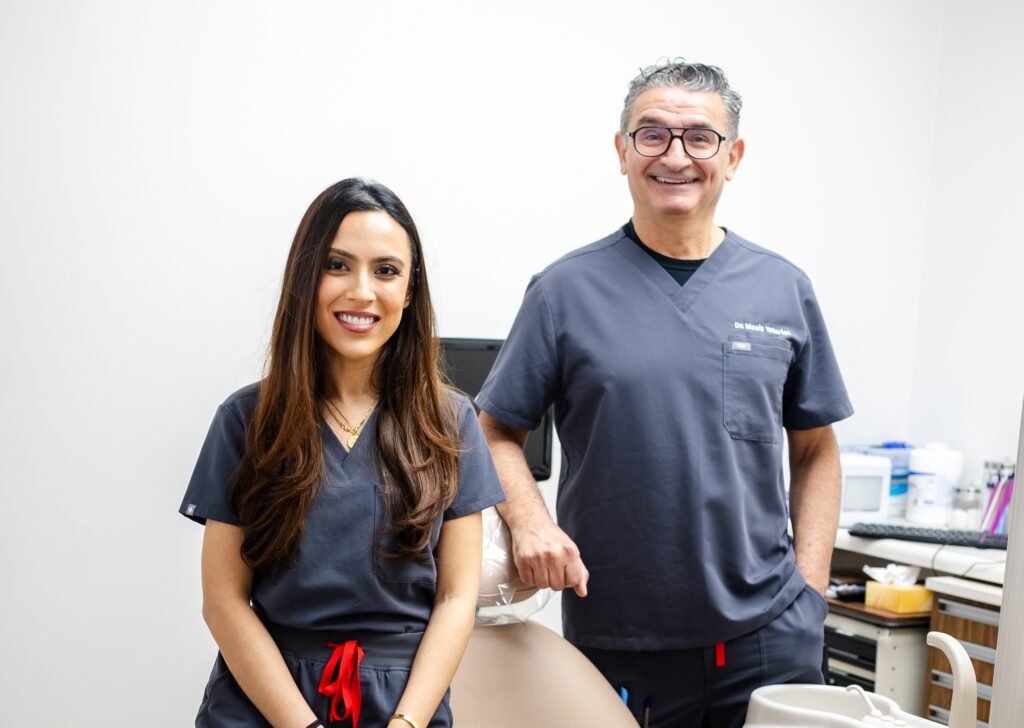
Thoughtful care backed by experience and trust
Why Greenwich Dental Studio?
Restorative care requires both technical skill and good judgment, because every treatment should protect your health, your bite, and your comfort over time. Greenwich Dental Studio has served the community for more than 40 years, with a legacy of careful, relationship-based dentistry passed from Dr. Greenberg to Dr. Yeterian and now Dr. Marwaha. Our doctors take time to explain what is happening, why it matters, and which option makes the most sense for your life. With advanced technology, professional training, and a calm approach, we make restorative dentistry feel less overwhelming and more manageable.
Frequently Asked Questions
Common questions about restorative and specialty care
If you are unsure what treatment you need, these answers can help you understand the process, timing, comfort level, and daily-life impact of each option.
Cleanings, Exams, & X-Rays
What happens during a dental cleaning and exam?
A dental cleaning and exam includes removing plaque, checking for cavities, and evaluating your overall oral health. We also review your concerns and may take digital X-rays if needed.
Why should I get a dental exam now?
You should get a dental exam now because early detection helps prevent small issues from turning into more serious problems. Catching decay or gum issues early makes treatment simpler.
What does a dental cleaning feel like?
A dental cleaning usually feels like gentle brushing and light pressure, not pain. Most patients find it comfortable and quick.
Will a dental exam affect my daily routine?
A dental exam does not affect your daily routine. You can eat, brush, and continue your day as normal unless further treatment is recommended.
How often should I get dental cleanings?
Most patients should get dental cleanings every six months. Some may need more frequent visits depending on their oral health.
Are dental X-rays safe?
Yes, dental X-rays are safe and use very low levels of radiation. They are only taken when necessary to diagnose issues that cannot be seen during a visual exam.
Tooth-Colored & Amalgam Fillings
What is a dental filling?
A dental filling is a treatment used to repair a cavity by removing decay and sealing the tooth. It restores the tooth’s shape and function.
Why should I get a filling now?
You should get a filling as soon as decay is found because cavities worsen over time. Early treatment prevents deeper damage and more complex procedures.
What does getting a filling feel like?
Getting a filling typically feels like pressure or vibration, not pain, once the area is numb. Most patients are comfortable during the procedure.
Will a filling affect eating or brushing?
A filling may require you to wait until numbness wears off before eating, but after that, you can eat and brush normally.
What is the difference between tooth-colored and amalgam fillings?
Tooth-colored fillings match your natural teeth, while amalgam fillings are silver and often used for strength in back teeth. The best option depends on your needs.
How long do dental fillings last?
Dental fillings can last many years with proper care. Their lifespan depends on the material used and daily habits like brushing and chewing.
Dental Crowns & Bridges
What is a dental crown or bridge?
A dental crown is a cap that covers and protects a damaged tooth, while a bridge replaces missing teeth by anchoring to neighboring teeth.
Why should I get a crown or bridge now?
You should consider treatment now because damaged or missing teeth can worsen over time and affect your bite. Early restoration prevents further complications.
What does getting a crown feel like?
Getting a crown feels comfortable with numbing, though you may feel slight pressure during preparation. Mild sensitivity afterward is normal.
Will a crown or bridge change how I eat?
Once placed, crowns and bridges allow you to eat normally again. You may need to avoid hard foods temporarily during the adjustment period.
When is a crown better than a filling?
A crown is better than a filling when a tooth is too damaged or weak to support a filling. It provides full coverage and protection.
Can a bridge replace missing teeth without surgery?
Yes, a dental bridge can replace missing teeth without surgery by using adjacent teeth for support. It is a non-surgical alternative to implants.
Root Canal Therapy
What is a root canal?
A root canal is a treatment that removes infection from inside a tooth and seals it to prevent further damage. It helps save the natural tooth.
Why should I get a root canal now?
You should get a root canal quickly because infection can spread and worsen if untreated. Early care helps relieve pain and avoid tooth loss.
What does a root canal feel like?
A root canal feels similar to getting a filling once the area is numb. Most patients experience relief from pain, not added discomfort
Will a root canal affect daily life?
After a root canal, you may need to avoid chewing on the treated tooth temporarily. Once restored, normal function returns.
How do I know if I need a root canal?
You may need a root canal if you have persistent pain, sensitivity, swelling, or pressure. A dental exam confirms the need.
Can a root canal save my tooth?
Yes, a root canal is designed to save your natural tooth and prevent extraction. It is often the best option for preserving your smile.
Inlays & Onlays
What are inlays and onlays?
Inlays and onlays are custom restorations used to repair teeth with moderate damage. They fit precisely into or over the tooth.
Why should I get an inlay or onlay now?
You should treat damage early because it can worsen over time. Inlays and onlays prevent the need for more extensive treatment like crowns.
What does getting an inlay or onlay feel like?
The procedure feels comfortable with numbing, and most patients experience minimal discomfort during and after treatment.
Will inlays and onlays affect eating or brushing?
Once placed, you can eat and brush normally. They are designed to function like natural teeth.
How are inlays different from fillings?
Inlays are custom-made and used for larger areas of damage than fillings. They provide more strength and durability.
Are onlays as strong as crowns?
Onlays are strong and durable but preserve more natural tooth structure than crowns. They are used when full coverage is not necessary.
Simple Extractions & Oral Surgery
What is a simple tooth extraction?
A simple extraction is the removal of a tooth that cannot be saved. It is performed carefully to protect surrounding tissue.
Why should I not delay an extraction?
Delaying extraction can allow infection or damage to spread. Removing the tooth at the right time protects your overall oral health.
What does a tooth extraction feel like?
A tooth extraction feels like pressure, not pain, once the area is numb. We focus on keeping the experience calm and controlled
Will an extraction affect eating or cleaning?
Yes, you will need to follow temporary dietary and cleaning instructions while healing. Most patients return to normal habits within days.
Do I need to replace a tooth after extraction?
In many cases, replacing a missing tooth is recommended to maintain bite function and prevent shifting. Options include implants or bridges.
How long does it take to heal after extraction?
Initial healing usually takes a few days, though full healing takes longer. Following aftercare instructions helps ensure a smooth recovery.
Let’s help you understand the right next step
Restore Comfort Before the Problem Gets Bigger
If something feels broken, painful, loose, or uncertain, you do not have to guess what to do next. Our team will examine your smile, explain your options clearly, and help you choose the treatment that protects your comfort and long-term health.